


Every great masterpiece has a story of resilience behind it, and Gligora cheese is no exception. The history of Sirana Gligora is deeply intertwined with the life path, sacrifice, and unbreakable spirit of its founder, Ivan Gligora, and his family.
It is a tale of a destiny that couldn't be escaped, a garage that birthed a revolution, and a family that put the small village of Kolan on the global gastronomic map.
1. An Accidental Destiny: Inheriting the Love for the Karst
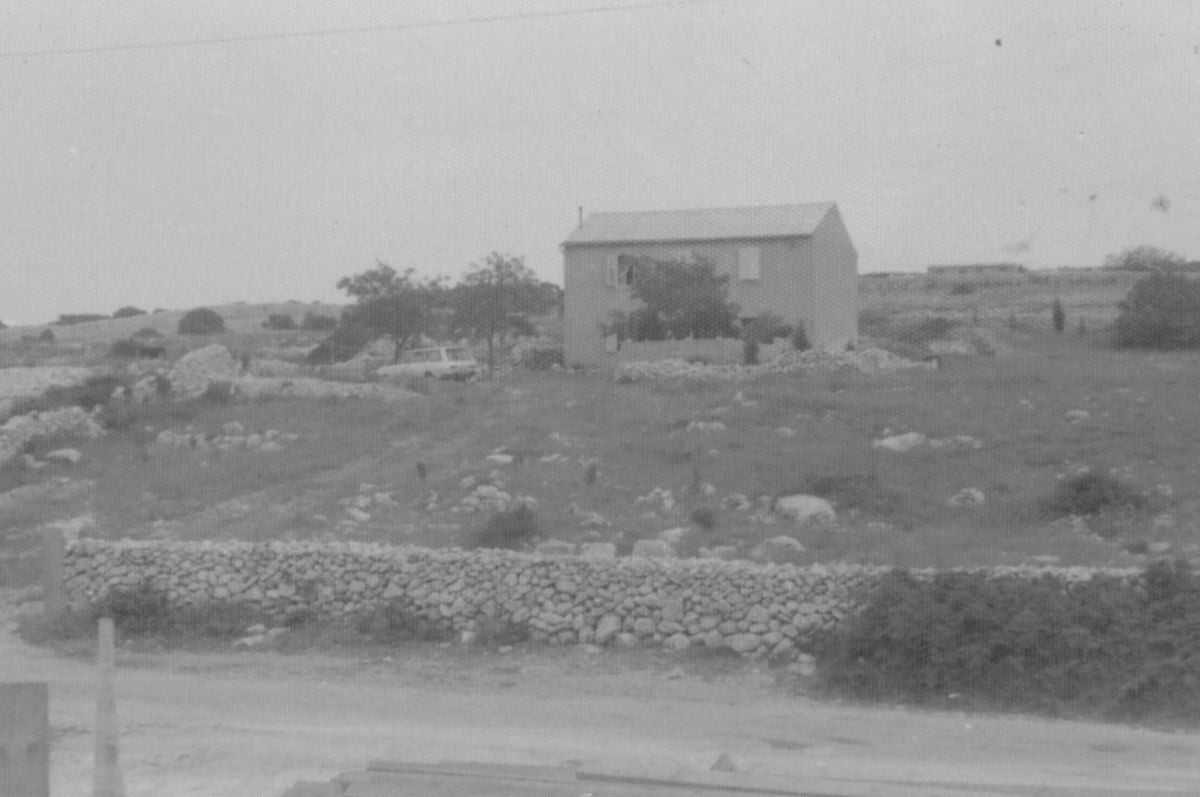
Ivan Gligora was born in 1950 into a hardworking, humble family in Kolan on Pag Island—in a house that still stands right next to the modern dairy today.
Though his grandfather Frane (affectionately known as Franeša) began crafting Paški sir back in 1918, passing the passion down to Ivan’s parents, Šimun and Evica, young Ivan initially dreamed of a different path. He had a strong talent for humanities and literature and moved to Rijeka for high school.
However, when financial hardships forced him to leave his studies, destiny stepped in.
The Newspaper Clip That Changed Everything: Quite by accident, Ivan spotted a newspaper advertisement. Zagrebačka mljekara (Zagreb Dairy) was offering scholarships for dairy technology students. Unable to escape his family's calling, Ivan enrolled in the only specialized dairy school with its own processing plant in the former Yugoslavia, located in Kranj, Slovenia.
In 1970, as the only educated dairy technologist from the coastal region, he was sent back to his native Pag to work.
2. Tested by War and Hardship
Seeking greater professional challenges, Ivan and his wife Marija moved to Zadar, where he spent 20 years at Mljekara Zadar, eventually rising to Head of Production.
During the Croatian Homeland War in the 1990s, despite the city being under daily shelling, Ivan’s production team never stopped working, ensuring the citizens had fresh dairy every day.
But the rugged stone of Pag kept calling him home. In 1993, he returned to the island with his wife and children, Marina and Šime. Driven by an unyielding creative spirit, Ivan and Marija made a brave, risky decision in 1994: they founded their own boutique dairy, Sirena – mala sirana, operating directly out of the basement and garage of their family home.
3. The Breakthrough: From the Basement to the World Stage
The years between 1996 and 2002 were defined by immense sacrifice, fierce competition, and coming close to bankruptcy multiple times. Yet, Ivan knew that uncompromising quality was his only weapon.
- 2002: Ivan took Paški sir to Italy, winning the first major international award for a Croatian cheese. This spark ignited a flame; the Gligora brand quickly became synonymous with premium excellence.
- 2005: Ivan's son, Šime Gligora, joined the business right after graduating from the Faculty of Agriculture in Zagreb (specializing in dairy science).
- 2009: Together, the family crowned Ivan’s life work by building a brand-new, ultra-modern facility in Kolan. Funded partly by EU pre-accession funds, it became one of the most advanced boutique dairies of its size in the world.
4. Sirana Gligora Today: A Global Ambassador of Pag
Following the massive investment in 2009, the world faced a major economic crisis, but Šime successfully navigated the market, expanding the brand internationally while protecting the traditions guarded for generations.
Today, Sirana Gligora is a thriving, passionate family of professionals:
- Around 50 dedicated employees, from master cheesemakers to expert cheese mongers.
- Over 450 tons of cheese produced annually, including around 50 tons of the legendary Paški sir.
- Over 200 local subcontractors, sourcing authentic milk from Pag Island for Paški sir, and from Dalmatia, Lika, and Kordun for our other artisan varieties.
Year after year, Gligora continues to take home the highest honors at global competitions like the World Cheese Awards, proudly flying the flag for Kolan and Pag Island across the globe. When you taste a piece of Gligora cheese, you aren't just tasting premium dairy—you are tasting a century of survival, passion, and triumph.


